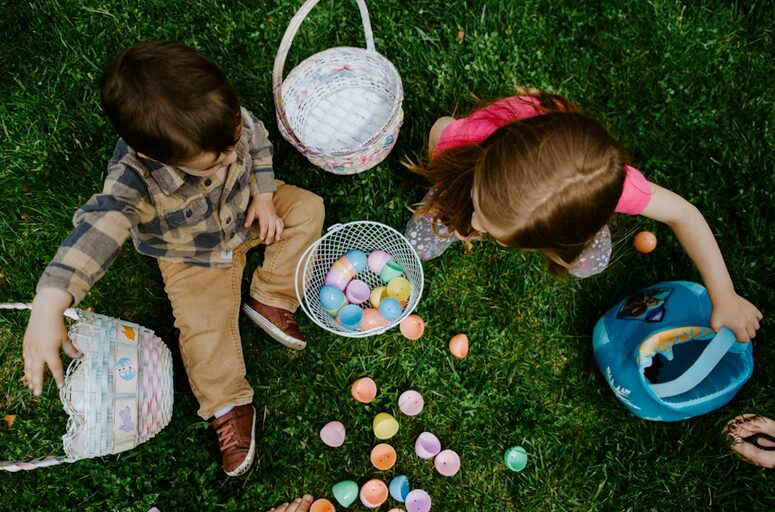
Many families picture Easter the same way. Kids hunt for eggs in the backyard, baskets overflow with candy, and pastel decorations fill the house. It feels cheerful and familiar. Yet Easter traditions look very different depending on where you live. Some customs are playful, others deeply symbolic, and a few might make you laugh out loud.
Parents sometimes enjoy sharing these stories with their children. It turns the holiday into a small cultural adventure. Learning about traditions in other countries also reminds us that celebrations do not have one single format.
Water Splashing in Hungary and Poland
One surprising tradition happens in parts of Eastern Europe. On Easter Monday, boys splash water on girls. Yes, actual water. In older versions of the tradition, people used buckets. Today, the custom usually involves small sprays of perfume or water. The idea symbolizes renewal and springtime freshness.
In Hungary, boys may recite a short poem before sprinkling water. In return, they often receive decorated eggs or small treats. Families treat the event with humor. Kids laugh, run around, and sometimes try to escape the next splash. It feels more like a playful spring festival than a formal holiday ritual.
Giant Omelets in France
In one town in France, Easter breakfast takes a very big turn. Residents gather to cook a giant omelet in the town square. This is not a small family pan situation. The omelet can use thousands of eggs. Volunteers crack eggs into a massive pan and cook them together. The final dish feeds hundreds of people.
Local stories say the tradition began when a traveler once enjoyed an omelet so much that he asked for one big enough to feed his entire army. Today, the event brings neighbors together. Families watch the cooking and share the meal afterward. It feels like a community picnic with a lot more eggs involved.
Easter Witches in Sweden
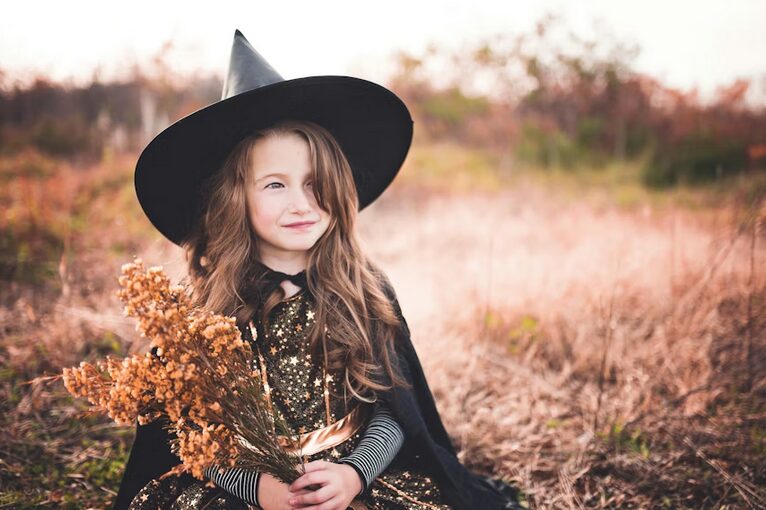
Children in Sweden celebrate with a tradition that feels a bit like Halloween. Kids dress up as friendly Easter witches. They wear scarves, painted cheeks, and sometimes carry small baskets. Then they walk around neighborhoods visiting homes. Instead of saying “trick or treat,” they hand out handmade drawings or cards.
Neighbors often give them candy in return. The tradition has roots in old folklore. Stories once suggested witches flew away during Easter week. Modern celebrations feel far less spooky. They are mostly about children having fun. Parents often say the costumes add a playful twist to the holiday.
Kite Flying in Bermuda
On the island of Bermuda, Easter often fills the sky with color. Families gather outdoors to fly kites. These kites are handmade and often beautifully decorated. The designs can be quite detailed. Parents and children work together to build them before the holiday weekend.
Once the day arrives, parks and beaches fill with families launching kites into the wind. The tradition symbolizes hope and spiritual renewal. Kids mostly focus on one thing, though. Watching their kite climb higher and higher. It turns Easter into a bright outdoor celebration.
Why Traditions Matter More Than Perfection
Learning about global traditions can be surprisingly refreshing. Many families feel pressure to celebrate holidays in very specific ways. Perfect baskets, elaborate decorations, and busy schedules sometimes steal the joy. Looking at other cultures reminds us that celebrations can be …